

Reasons Why You Should Dump Your Tight Bra Right Away

If you take off your bra and feel instant relief, chances are it’s too tight. Many women assume this bra discomfort is normal, but it is not. A too-tight bra can cause a range of problems, from skin irritation to backaches. Today, we will walk you through the real side effects of tight bras, when to spot the warning signs, and how Clovia can help you move toward the comfort you deserve.
How To Know If Your Bra Is Too Tight?
Before we get to the deeper effects, let’s help you recognise the early signs. Here are a few clues that your bra is working against you.
- You notice red marks or deep hollows in your skin after removing your bra.<br>
- A bra band that’s too tight, restrictive, or digs into your skin when you breathe is a strong sign.
- Your breasts spill over the cups, or the sides feel compressed.
- You are constantly tightening or loosening the straps throughout the day.
- Your back or shoulders start hurting after long wear.
- You feel short of breath when you exercise.
If any of these sound familiar, you are most likely dealing with a tight bra. Don’t you worry, though. It’s easier than you think to fix the wrong bra fit, and Clovia is here to guide you through it. But first, let us understand how bad are the effects of wearing a tight bra.
Health-Backed Side Effects of Tight Bras
Wearing a tight bra is not only extremely uncomfortable, but it also affects your skin, your posture, and your comfort in general. Here are the most common tight bra side effects every woman should know.
1. Skin Irritation and Rashes
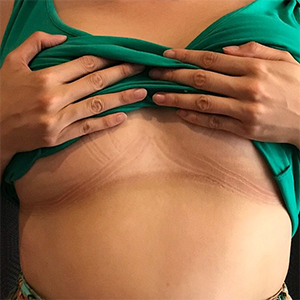 If the bra is too tight, the fabric rubs against the skin throughout the day. This creates friction rashes, redness of the skin, sometimes even small bumps or folliculitis. The presence of trapped sweat under the band and straps aggravates irritation, especially during humid weather.
Quick fix: Switch to breathable cotton bras or seamless styles that sit gently on the skin and reduce rubbing.
2. Pain in Your Back, Neck, and Shoulders
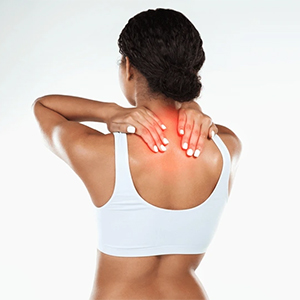 A bra band too tight or a cup that distributes the weight of your bust to all the wrong places is a clear way to know if a bra is too tight. Instead of the band providing the support, most of the load is then carried by the straps. This results in shoulder pain, neck stiffness, and upper back aches.
Over time, it affects posture, too. You often catch yourself slouching without even realising it.
Quick fix: Opt for wider bands, cushioned straps, and a firm but comfortable band fit.
3. Impaired Blood Circulation or Nerve Compression
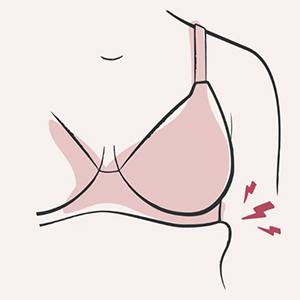 If the band is too tight, it can press on nerves around your ribs and underarms, which can cause numbness or a tingling feeling. It is one of the common tight bra side effects. It’s temporary, but that’s still your body telling you that the bra is too tight.
Quick fix: Opt for bras that stay flat and snug but leave space for natural movement.
4. Shortness of Breath with Exertion
 When your bra is too tight, it inhibits the expansion of the rib cage. You will realise this, especially when doing simple stretches or climbing the stairs. Most women face this during their workouts because they wear normal bras instead of sports ones.
Quick fix: Keep the everyday bras for daily use and switch to high-impact sports bras during exercise for better breathing room and bounce control.
5. Lower Confidence and Constant Bra Discomfort
 When your bra feels uncomfortable, your mood is affected for the entire day. You end up crossing and readjusting the straps, tugging at the band, and managing spillage. The effect of wearing a tight bra is that it impacts your confidence and restrains you from feeling your best.
Begin with one well-fitted bra and see how much comfort can make a difference. This brings us to what actually a right fit feels. Let us dig in, not your bra!
What the Right Fit Should Feel Like?
A properly fitted bra is close to invisible. It supports, never pokes, digs, or rides up. Here’s what to notice when you buy or test new bras:
- The band should be firm but never painful. You should fit one finger under it comfortably.
- The straps should sit on your shoulders without cutting into the skin.
- The cups should fully cover your breasts without spilling or gaping.
- The centre panel should sit flat against your chest.
- You need to feel supported, not squeezed.
If your bra misses even just one of these points, it is likely the wrong size or style. Let’s move to the solution now. We provide solutions if we make you realize the problems.
Clovia Comfort Solutions: Move Away From Tight Bras
At Clovia, we design bras to “hold you, not hurt you.” Here’s how we help you deal with every tight bra problem.
- When the band leaves marks, try bras with wider bands and soft-stretch fabrics. A good example is our non-padded, non-wired full-cup bra in cream for gentle, breathable support.
- When the straps dig into your shoulders, switch to cushioned straps or styles that distribute weight better.
- When cups feel too tight, explore full-coverage bras from Clovia, which give space and shape without squeezing.
- When workouts feel uncomfortable, move to high-impact sports bras that support movement without restricting breathing.
When you prefer soft, relaxed comfort, our padded non-wired bras feel feather light, while the padded non-wired full-coverage multiway bra offers comfort with flexibility.
Believe it or not, these small changes make a huge difference in the way one feels daily.
How to Transition Out of Tight Bras?
Switching from tight bras to comfortable ones doesn’t have to be complicated. Here is a simple step-by-step guide on how to do it.
-
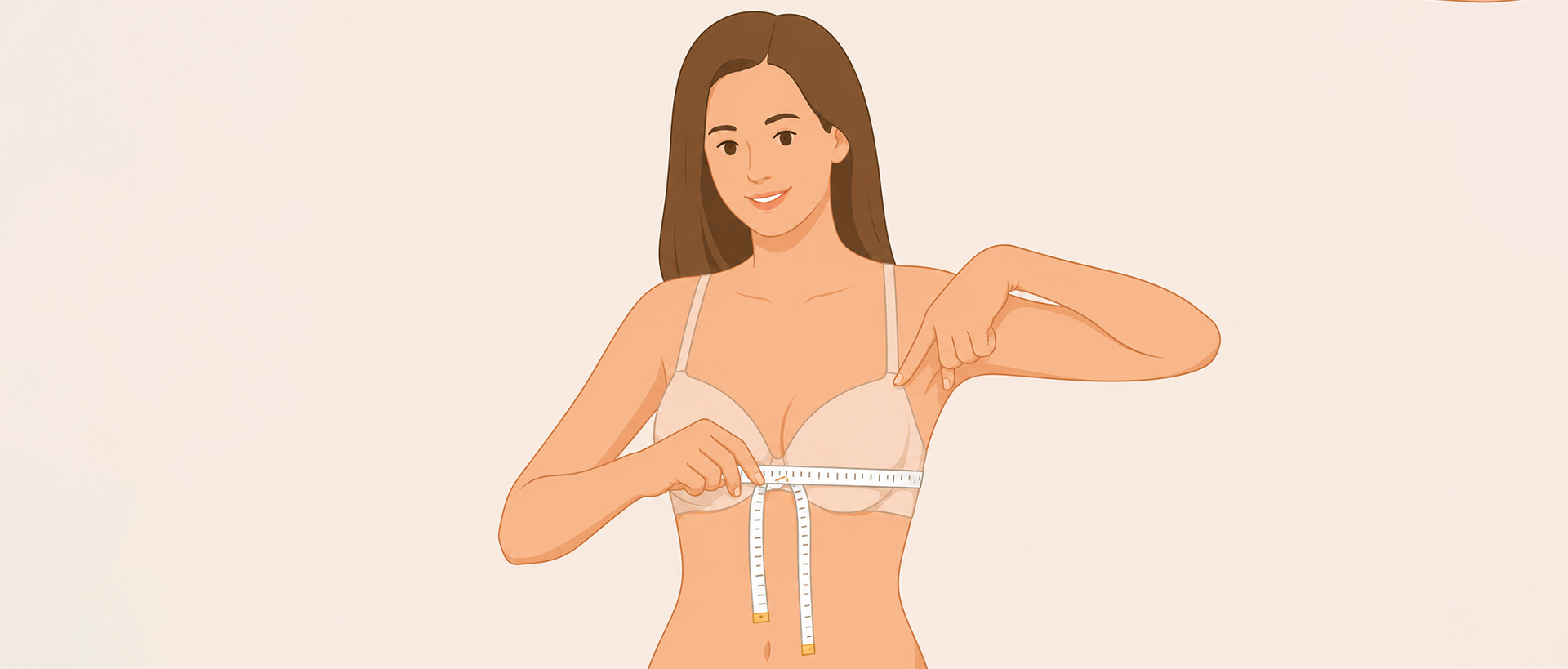
- Measure yourself or take the fit test online at Clovia.com and match it according to the bra size guide.
- Try on a couple of new bras in your new size, rather than replacing all of them at once.
- You should rotate at least three to four bras to let each one rest and regain its elasticity.
- Avoid wearing old, stretched-out bras for extended periods.
- Keep styles for different needs, like sports bras for workouts and full-coverage styles for everyday use.
-
- These habits help you stay comfortable and extend the life of every bra you buy.
Conclusion
A tight bra is more than just a minor inconvenience. It affects your skin, posture, comfort, and confidence. Fortunately, the solution is quite simple, a well-fitted bra can make all the difference in how you feel the entire day. Browse comfort-centric bras on Clovia’s website and give your body the ease it’s been waiting for.
FAQs About Wearing Tight Bra
How do I know if my bra is too tight?
If you see red marks, feel pressure, or experience spillage, your bra is likely too tight.
Can wearing a tight bra cause health problems?
A tight bra can cause skin irritation, posture problems, and breathing discomfort, but these effects improve once you switch to the right fit.
Is it ok to wear a tight bra daily?
No, daily tightness can strain muscles and skin, so a correct fit is always better.
Do tight bras affect posture or breathing?
Yes, they can restrict movement and shift weight to your shoulders, affecting your posture.
Which type of bra helps avoid tightness?
Look for bras with wider bands, full cups, cotton fabrics, and cushioned straps.
How many bras should I rotate?
Preferably three to four, so that each bra rests and therefore lasts longer.

Complete Bra Style Guide
Ultimate Guide to Buying, Wearing & Caring for Bras
- Difference Between Padded Bra and Push-Up Bra - September 17, 2026
- Reasons Why You Should Switch To a Non-Wired Bra - September 16, 2026
- No Visible Panty Line Made Easy with the Right Panties - April 6, 2026