


Magazine » Lingerie 101 »
What are Bra Sizes? What Do the Alphabets A, B, C, D Mean in Bra Size?

Buying a bra becomes so much easier once you understand what bra sizes actually mean. Most women only look at the number written on the tag, but your bra size is actually a combination of two parts, band size and cup size. Together, they help you figure out the exact fit that your body needs.
Let’s break this mystery down in the simplest way possible.
What Is a Bra Size?
A bra size is written as a number and a letter (for example, 32B, 34C, 36D). In this combination:
● The number (32, 34, 36, etc.) represents your band size, which is the measurement around your ribcage, just under your bust.
● The letter (B, C, D, and so on) represents your cup size, which indicates how much volume your breasts hold.
That’s why a 34B and a 36B don’t have the same fit; they have the same cup volume, represented as the letter B, but different band sizes.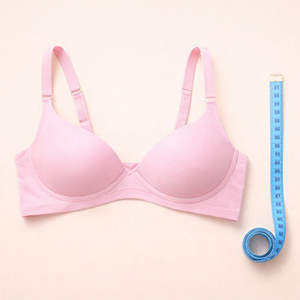
Understanding Band Size
The band is the part that wraps around your ribcage. It provides most of the support in your bra.
● A tighter band number means a smaller ribcage (for example, 30, 32, 34)
● A large band number fits a bigger ribcage (for example, 36, 38, 40)
A well-fitted band should sit straight and snug without riding up.
What Does A, B, C, D Mean in Bra Size?
Cup size indicates the difference between your overbust and underbust measurements.
● A Cup indicates a 1-inch difference
● B Cup means a 2-inch difference
● C Cup means a 3-inch difference
● D Cup indicates a 4-inch difference
Your cup size increases with the difference in measurements, not necessarily breast shape or general size.
Example of Cup Sizes
| Band Size | Cup Size | Differences in Inches | Example |
|---|---|---|---|
| 32 | A | 1 inch | 32A |
| 34 | B | 2 inches | 34B |
| 36 | C | 3 inches | 36C |
| 38 | D | 4 inches | 38D |
To know your correct bra size with precision, you can take the CloviaCurve Fit Test.
How Cup Size Affects Comfort & Support
Your cup size can affect comfort more than you realise:
● Smaller busts (A-B) often feel most comfortable in soft-padded, non-wired or lightly structured bras.
● Medium busts (B-C) do well with demi cups, T-shirt bras or lightly padded styles.
● Fuller busts (D and above) benefit from wide bands, stronger wings, and full-coverage silhouettes.
Choosing the right structure for your cup size ensures all-day comfort without digging, slipping, or spillage.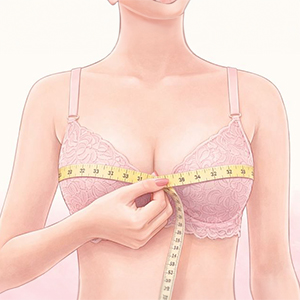
Common Bra Size Mistakes Women Make
Even with correct measurements, fit issues happen due to small mistakes like:
● Wearing a loose band that rides up at the back
● Choosing a cup that is too small for your bust, which causes side or top spillage
● Picking a sister size without checking if the support feels enough and appropriate
● Not re-measuring even though your size can change due to weight variations, hormone changes, lifestyle, posture and even age
If you struggle with any of these signs, it’s time to redo your measurements. Ideally, it is recommended to re-measure every 6-12 months to stay accurate.
Understanding your bra size is the first step toward great comfort, great posture, and looking great in your favourite outfits. Once you know your band and cup size, you can confidently choose the styles that flatter your shape. You can simply start with Clovia’s bra size calculator.
FAQs
1. What do A, B, C, and D mean in bra size?
These letters indicate cup size, which represents breast volume. A is smaller, D is fuller, based on the difference between the bust and underbust measurements.
2. How do I measure my bra size correctly at home?
To measure your bra size at home, take these two measurements:
● Underbust (ribcage), which will represent your band size.
● Overbust (the fullest part of your bust), subtract from underbust to find your cup size or use Clovia’s bra size calculator for instant results.
3. What is the difference between band size and cup size?
Band size is the number (32, 34, 36) which shows the ribcage size. Cup size is the letter (A, B, C, D) and indicates breast volume. Both together form your true bra size.
4. How do breast measurements convert into cup sizes?
The difference in inches determines the cup letter.
● A Cup indicates a 1-inch difference
● B Cup means a 2-inch difference
● C Cup means a 3-inch difference
● D Cup indicates a 4-inch difference
5. What should I do if I fall between two cup sizes?
Try the sister size method. Go up a band and down a cup or vice versa. For example, if 34B feels tight, you can try 36A.

- What are Bra Sizes? What Do the Alphabets A, B, C, D Mean in Bra Size? - February 23, 2026